Mission-Critical Connectivity for Qatar’s Enterprise Core
Private 5G is not an upgrade; it is a fundamental re-architecture of how industrial and commercial operations perceive latency, reliability, and density. For Qatari enterprises—spanning energy, logistics, and healthcare—the move from reactive maintenance to predictive autonomy hinges on a single variable: consistent sub-10 millisecond responsiveness.

Caption: Private 5G network topology at Ras Laffan. Note the dense small-cell mesh around the LNG storage tanks, prioritizing redundancy for remote valve actuation.
The Drone Mission
A surveillance drone hovers 40km from the control room. It streams 4K video of a pipeline junction. The operator adjusts a valve remotely. In 9ms, the command registers. The latency is imperceptible.
"We moved from reactive maintenance to predictive operations the day we lit up our 5G slice." — Operations Director, Qatar Energy Subsidiary
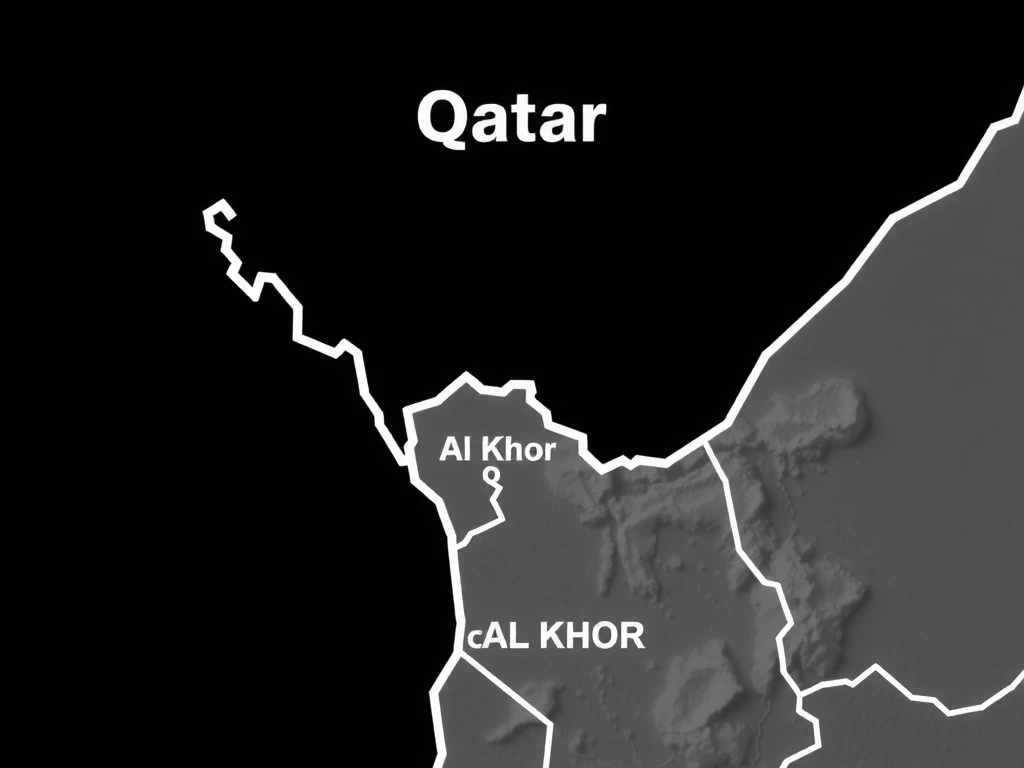
That is the average round-trip ping from a Doha server to a remote surgery consultation in Al Khor. In vascular surgery, 47ms is the difference between a steady hand and a missed suture. 5G does not just connect the surgeon to the patient; it contracts the physical distance into a latency budget that human motor skills can trust.

Signal Density: Peak ingress (70k users). 5G small cells maintain 10x device density over 4G.
Network Slicing: Allocation
Decision Lens: Indoor vs. Outdoor
- Indoor: Thermal management critical (enclosed spaces).
- Outdoor: Weatherproofing (IP67) & sand abrasion.
- Shared: High device density planning.
Metric: AR Accuracy
5G positioning enables AR wayfinding within 30cm accuracy, reducing seat-locating time from 4.2m to 1.1m.
Bringing the Hospital to the Patient
In Al Khor, a paramedic performs an ultrasound on a suspected stroke patient. The 4K video stream travels 50 kilometers to a Doha neurologist. The round-trip is 180ms. The neurologist sees the bleed in real-time. The ambulance is rerouted before the patient arrives.
The Edge Constraint
Medical files are massive. Cloud round-trips introduce unacceptable jitter. 5G Edge nodes in the ambulance process data locally. This ensures privacy compliance (HIPAA-equivalent) and sub-200ms throughput even during network congestion.
Private 5G Deployment Framework
A pragmatic framework for Qatari businesses. The goal is not "5G," but specific operational improvements.
| Criterion | Private 5G | Wi-Fi 6 | 4G LTE |
|---|---|---|---|
| Cost per m² | High | Low | Med |
| Reliability | URLLC (99.999%) | Best Effort | Standard |
| Mobility | Seamless Handover | Limited | High |
| Spectrum | Licensed / Shared | Unlicensed | Operator |
AGV Telemetry Scanning
Rooftop Small Cell Array

Local Edge Processing
The Qatari Ecosystem
5G in Qatar is a national infrastructure priority. Local operators have deployed over 1,200 sites, while regional R&D centers in Doha tailor hardware for desert conditions. The result is a closed loop of policy, innovation, and deployment.
"It is not about speed. It is about enabling a knowledge economy." — Ministry of Communications and Information Technology
Start Your Deployment Assessment
Submit your facility specs for a private 5G feasibility report.
Glossary: Terms & Field Notes
- URLLC
- Ultra-Reliable Low-Latency Communication. Essential for remote valve control.
- Beamforming
- Directs signal to specific devices. Mitigates interference in sandstorms.
- Attenuation
- Signal loss through concrete. Measured at -12dB in West Bay.
Scenario: The Logistics Loop
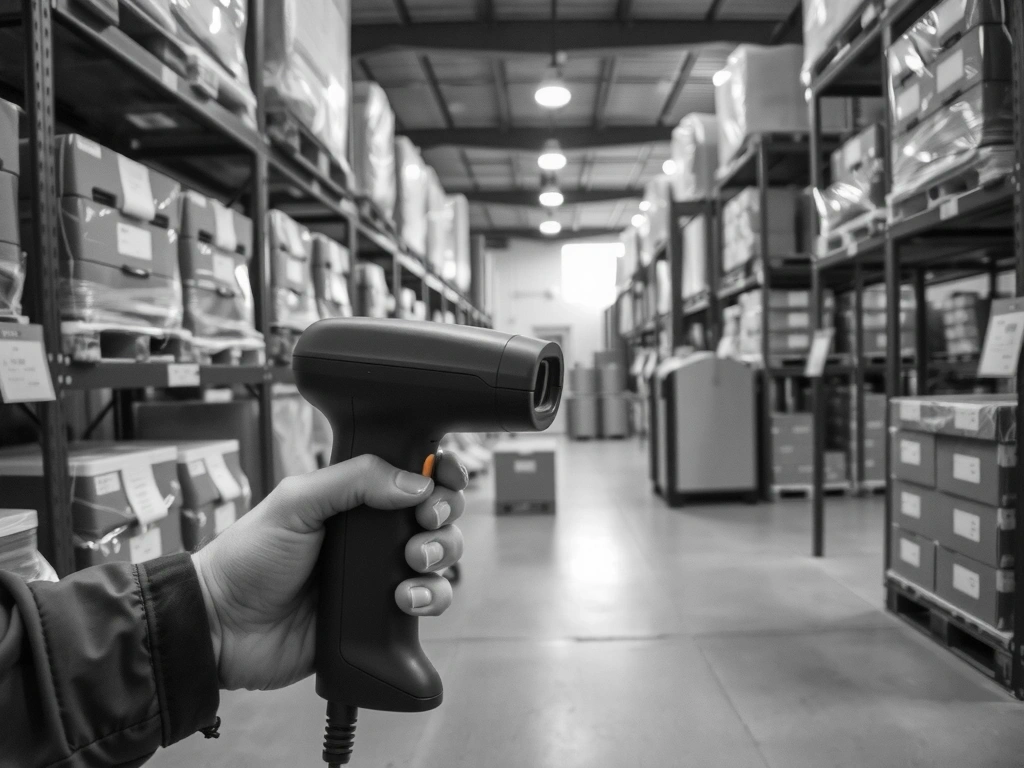
Context: A 3PL warehouse in Umm Al Awf. 50 AGVs operating 24/7.
Constraint: Legacy Wi-Fi dropped packets during shift changes.
Outcome: Private 5G slice reduced manual intervention by 60%. Payback period: 19 months.
Realism Anchor: Decision Criteria
- Cost per square meter covered
- Latency under load (peak hours)
- Backhaul fiber availability
- Spectrum license terms & exclusivity